


India’s preparations for the 2027 ODI World Cup are bringing three influential figures into focus: head coach Gautam Gambhir, chief selector Ajit Agarkar and Centre of Excellence head VVS Laxman. Their responsibilities are different, but building the team that eventually travels to Southern Africa will require all three parts of the system to work together.
India’s road to the 2027 ICC Men’s Cricket World Cup is becoming about more than selecting the best XI.
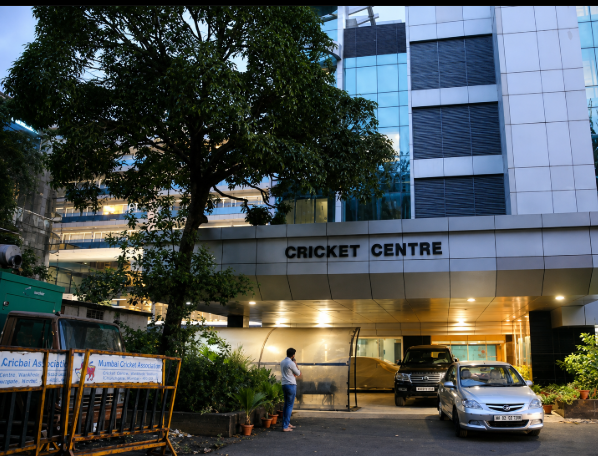
Following a difficult run of overseas results and growing concerns over player fitness, the BCCI called a high-level review meeting in Mumbai on September 3 involving Gautam Gambhir, Ajit Agarkar and VVS Laxman, alongside senior board officials. India’s recent performances, injury management and the roadmap towards the World Cup were among the major issues under discussion.
The meeting raises an interesting question: who actually controls India’s World Cup preparations?
The answer is not one individual.
Gautam Gambhir: Building the Team on the Field
As India’s head coach, Gautam Gambhir’s influence is most visible in how the team actually plays.
The coaching staff helps establish India’s tactical approach, preferred combinations and roles within the playing XI. Gambhir also works closely with the captain and selectors to determine what type of players India needs for different conditions.
That becomes especially important for the 2027 World Cup, which is scheduled to be staged in South Africa, Zimbabwe and Namibia.
India will therefore need to prepare for conditions where pace bowling, athletic fielding and adaptability could become particularly important.
Gambhir does not, however, have unilateral control over who makes the squad.
Ajit Agarkar: The Man at the Selection Table
That is where Ajit Agarkar and the senior selection committee become crucial.
As chairman of selectors, Agarkar plays a central role in determining India’s squads. The selectors must decide which experienced players remain part of the ODI plan while identifying younger players capable of being ready by 2027.
This could make the coming months particularly significant.
Reports surrounding the September 3 meeting indicate that India’s ODI roadmap and player availability for the World Cup are among the subjects being considered. Agarkar’s own tenure has also attracted attention, with reports suggesting the BCCI is weighing continuity through the 2027 World Cup cycle.
Selection, however, depends on another crucial factor: whether those players are actually fit enough to play.
VVS Laxman: The Fitness and Development Link
This is where VVS Laxman and the BCCI’s Centre of Excellence (CoE) enter the picture.
Laxman’s role may be less visible to supporters watching international matches, but the CoE has an important responsibility in rehabilitation, player development and return-to-play processes.
That has become particularly relevant because injuries are reportedly one of the central issues being discussed by the BCCI.
Several Indian players have been working through rehabilitation and return-to-play protocols, while the board is reportedly looking for better coordination between the CoE, selectors and team management.
For India’s World Cup planning, this matters enormously.
A selector can choose a fast bowler and a coach can design a role for him, but neither plan works if the player cannot remain available through a demanding international calendar.
There are also reports that the BCCI is considering expanding Laxman’s responsibilities. NDTV reported in August that Laxman was set to receive a new Director of Cricket designation alongside his CoE responsibilities. That reported structural change should be distinguished from his established current role until the BCCI formally clarifies the arrangement.
Injuries Could Be India’s Biggest Planning Challenge
The Mumbai meeting comes amid concerns over the fitness of several important players.
One particular question is Hardik Pandya. His ability to contribute substantial overs can significantly affect India’s ODI balance because a genuine batting all-rounder gives the team greater flexibility in constructing its bowling attack.
Reports suggest his bowling workload and long-term fitness are part of the World Cup discussion. Fast-bowling resources and the rehabilitation of other injured players are also under examination.
This makes workload management as important as selection.
India cannot simply identify its preferred World Cup squad in 2026. It must ensure that the core players arrive in 2027 fit and sufficiently experienced in the roles they will be expected to perform.
Recent Overseas Results Have Added Urgency
The review has also been triggered by India’s recent performances away from home.
India lost a two-match T20I series in Ireland 2-0, followed by a 4-0 T20I series defeat in England. India subsequently lost the ODI series against England 2-1.
Those results do not automatically predict how India will perform at an ODI World Cup, but they provide the BCCI with areas to examine: adapting overseas, maintaining a healthy squad and establishing stable combinations.
India’s scheduled tour of New Zealand later in 2026 could consequently become another important testing ground before the World Cup.
So, Who Controls India’s 2027 World Cup Plan?
In practical terms, none of the three controls it alone.
Gambhir influences the team’s cricketing philosophy, tactics and on-field roles. Agarkar and his selection committee determine which players enter the national setup. Laxman and the Centre of Excellence sit at a critical point connecting fitness, rehabilitation and player development.
Above all of them sits the BCCI, which determines the broader structure, appointments and strategic direction.
The challenge, therefore, isn’t deciding whether Gambhir, Agarkar or Laxman should have the most power.
It is ensuring that coaching, selection and player management are working from the same World Cup plan.
With the 2027 tournament approaching and India already evaluating its overseas performances and injury-management system, the September meeting may prove significant not because one individual emerges with greater control, but because India needs all three arms of its cricket structure moving in the same direction.