

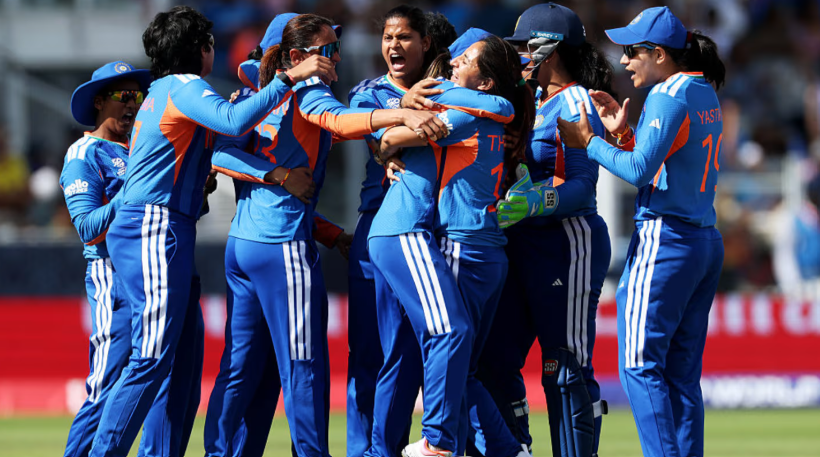

Smriti Mandhana makes history as India eyes title against defending champions Sri Lanka
The 2026 Women’s T20 Asia Cup is currently taking place in Dubai. This will be the tenth edition of the Women’s Asia Cup and the sixth in the T20 format; it is taking place from 28 August to 13 September 2026 in the United Arab Emirates, with matches played in Twenty20 International (T20I) format.
The tournament sees the top women’s cricket teams competing at the highest continental level, with Sri Lanka as the defending champions, after winning the last tournament by beating India in the final. A potential championship rematch could take place if both teams move through the group stages.
Smriti Mandhana Makes Historic Milestone
Smriti Mandhana has achieved a milestone which has never before been reached. She has now become the top run-scorer in the history of women’s international cricket, overtaking the previous record holder, Meg Lanning, thanks to her steady performances in the group matches of the Asia Cup, which have brought her vast recognition.
It is an outstanding achievement in the field of cricket, and the fact that Mandhana has become the top run-scorer in international cricket shows that she has had steady performances over two decades in the Test, ODI, and T20I formats, which has recognized her as one of the greats in the history of women’s cricket.
Her performance motivates her teammates. Her teammates attributed Mandhana’s determination and technical ability to having set high performance standards throughout India’s batting order, showing leadership through individual achievement rather than through formal captaincy.
Harmanpreet Kaur’s Historic Captaincy Milestone
Harmanpreet Kaur, India’s captain, has achieved a major personal milestone, having now led the team in 150 T20 matches, making her the first woman to reach this figure and demonstrating exceptional longevity in a leadership role in international cricket.
The achievement shows how consistent her career has been: since she became captain of India in 150 T20I matches, that amounts to about seven years of continuous leadership, involving the responsibility of maintaining a high level of performance, displaying tactical intelligence, and managing the team in changing match circumstances.
During the tournament, her leadership came under criticism. The Indian press raised questions about Harmanpreet’s position in the batting order, her captaincy decisions, and the strategies regarding team composition, showing the considerable scrutiny that such high-profile cricket leadership is subject to in the current Indian sports environment.
India’s Dominant Group Stage Performance
India showed clear dominance in the group-stage matches. Having scored 159 all out, India won against Thailand by 94 runs, thus asserting their early leadership in the tournament and displaying strength in their middle order.
Hong Kong suffered a crushing loss; India beat them by 137 runs after scoring 193, underscoring the competitive imbalance between top teams and newer cricketing nations in continental tournament formats.
A clash with Pakistan is set for September 5. India and Pakistan will play each other in an important match during the group stage, which is scheduled for September 5 in Dubai, since Pakistan has one win against India out of seven meetings between the two teams in the T20 Asia Cup, thus making this match a competitive one even though India as a whole has been dominant.
Deepti Sharma’s T20I Career Achievement
The senior Indian player Deepti Sharma has reached a major point in her career. She has become the third Indian player after Harmanpreet Kaur and Smriti Mandhana to have played 150 Women’s T20 Internationals, a clear indication of the exceptional length of her career and her consistent selection over the course of her ten-year international career.
This award is a recognition of overall cricketing excellence. The fact that Deepti Sharma has played in 150 matches reflects contributions through bowling, batting, and fielding across a range of match situations, making her a versatile player useful in different tournament conditions and against different opposition strategies.
Sri Lanka’s Title Defense Challenge
The defending champions, Sri Lanka, started off the tournament. The Sri Lankans won their first Women’s Asia Cup title in 2024 by beating India in the final; this achievement gave them a proven record and entitled them to favorite status when the 2026 tournament began, even though India had performed strongly in the group stage.
To defend the title, one needs momentum. Sri Lanka have to get through the group stages while showing a winning form that is good enough to secure a place in the knockout rounds, this means displaying a level of consistency that meets the requirements of the defending champions, even though India seems to have a dominant position in the group stage.
Tournament Format and Structure
The group-stage format has been set up so that several teams take part, with the best progressing to the knockout stage, allowing competitive matches while also enabling emerging cricketing nations to compete at the continental level.
The stakes in knockout competitions are greatly increased since, in this format, the advantages gained in the group stage become decisive in the matches themselves; individual performances then have a direct impact on whether teams progress in the championship, thus producing pressure situations that show off a team’s character and the toughness of its individual players.
Host Nation Emirates Cricket Development
The United Arab Emirates is the host nation and will take part in the Women’s Asia Cup 2026, providing the team with the dual benefits of being familiar with home-ground conditions and gaining international exposure by hosting the tournament.
The UAE still had a chance to reach the semi-finals after beating Indonesia convincingly, as they needed to win against Bangladesh on September 8 and rely on favorable results in other matches to advance to the knockout rounds.
Emerging Teams and Competition Quality
Multiple cricket nations take part in the tournament. Thailand, Hong Kong, Bangladesh, and Indonesia join the established cricket powers. This expands women’s cricket across the continent and gives developing cricket programs a chance to grow.
The standard of play in women’s cricket is improved by competitive tournaments. Continent-wide tournaments help to develop women’s cricket by providing players and the programs involved with competitive routes, clear development standards, and international experience.
Tournament Significance Beyond Cricket
The women’s cricket platform has societal importance, as the Women’s Asia Cup offers a high-profile opportunity to showcase the excellence of female athletes, reflect the economic investment in women’s sports, and contribute to the cultural acceptance of women participating in cricket across conservative Asian societies.
Upcoming Matches and Schedule
The match between India and Pakistan draws considerable global attention; the women’s cricket game between the two countries on September 5 attracts substantial viewership and media coverage, similar to that of the men’s matches, this reflects the growing degree of gender equality in cricket viewership and commercial interest.
The end of the tournament is drawing near. It will come to a close on September 13, with the final match, which will decide the champion, thus concluding the championship and determining which team wins the continental title in the women’s Twenty20 cricket format.
Historical Achievement Accumulation
The Women’s Asia Cup in 2026 is a collection of achievement milestones. The fact that several historic feats were achieved in a single tournament, such as Smriti Mandhana’s record run, Harmanpreet Kaur reaching a captaincy milestone, and Deepti Sharma’s T20I century, shows that women’s cricket is making evolutionary progress and that individual player excellence has reached unprecedented levels.
The Women’s T20 Asia Cup 2026 showcases excellence in women’s cricket. It draws attention to the level of competition, individual accomplishments, and the development of cricket across the continent, thus securing women’s cricket’s rightful place among major sports and demonstrating its need for investment, viewership, and institutional support.